
Bua Blog
GAA Strength Training Dublin: Bua Training for GAA
GAA Strength Training Dublin: Bua Training for GAA
GAA Strength Training Dublin: Bua Training for GAA
Modern GAA is nothing like it was twenty years ago. Games are faster, collisions are heavier, and seasons are longer. If you play club or county in Dublin now, you can’t rely on “laps and a few push-ups” as your whole strength plan. You need a mix of power, conditioning, and robustness that actually prepares you for hard championship minutes.
That’s where Bua Strength comes in: a training approach built on variance with structure. Sessions change enough to challenge you, but follow a clear plan so you’re not guessing. For GAA players, that combination can be the difference between fading after 45 minutes and still bursting into tackles in injury time.
Why GAA Players Need More Than Just Running
Traditional GAA conditioning focuses heavily on running: long runs, sprints, and pitch drills. These are important, but they don’t cover everything the game demands:
-
Repeated collisions and tackles
-
High jumps and landings
-
Sharp change of direction
-
Strong soloing and striking under fatigue
Without enough strength and power work, you might be fit for running, but not robust for contact. Bua’s style of strength training adds the missing layer: strong hips, stable shoulders, and a trunk that doesn’t collapse when you get hit or twisted.
Structure + Variance: How Bua Strength is Designed
Good GAA strength training needs two things:
-
Structure – so your lifts and conditioning build from week to week.
-
Variance – so you’re ready for the unpredictable nature of matches.
Bua programmes around both.
The Structure Part
There’s a clear backbone to the training year:
-
Heavy strength cycles for squats, deadlifts, presses, pulls
-
Speed and power phases using lighter, faster lifts and jumps
-
In-season maintenance blocks so you stay sharp without burning out
You’ll see familiar lifts returning each week—like back squats or trap bar deadlifts—so you can track progress. Loads, sets, or tempos change systematically, not randomly. That’s where strength and power really grow.
The Variance Part
Around that backbone, Bua uses varied conditioning and accessory work:
-
Different combinations of running, rowing, biking, sled pushes
-
Changing work:rest ratios to mimic match demands
-
Rotating unilateral work (single-leg RDLs, split squats, lunges)
-
Core and trunk variations that challenge you in different planes
The sessions feel fresh, but they’re still tied back to clear aims: move better, hit harder, last longer.
How This Helps on the Pitch
Let’s connect the gym work to specific GAA moments.
1. Stronger Hips = More Powerful First Step
Squats, deadlifts, hip thrusts, and jump variations build the hips and legs you need for:
-
Beating your marker on the first step
-
Exploding into a tackle instead of absorbing it
-
Getting up for high balls and breaking them cleanly
Because the strength work progresses over time, you’re not just “getting tired” in the gym—you’re building real numbers that carry over.
2. Robust Shoulders and Trunk = Better in Contact
Pressing, rowing, carries, and rotation work strengthen the upper body and core. That becomes:
-
Shoulders that don’t fold in a clash
-
A trunk that holds shape when twisted or dragged
-
Cleaner handpasses and shots under pressure
Bua’s variance in core and carry drills means your body gets used to resisting force from multiple directions. That’s exactly what happens in a crowded goalmouth or a midfield break.
3. Repeatable Conditioning = Consistent Performance
Conditioning at Bua isn’t just endless sprints. It’s often interval-based, combining machines, running, and bodyweight work. The goal is to:
-
Push your heart rate high
-
Bring it down again
-
Repeat, without your quality falling apart
On the pitch, that feels like: multiple repeated runs, tackles, and support plays without your legs turning to concrete. Instead of being “fit in the warm-up and dead by half-time,” you keep contributing late into games.
Why Variance Matters for GAA
GAA games are unpredictable. One week you play on a heavy pitch; the next, on a dry, fast surface. Some games are end-to-end; others are stop-start battles.
Variance in Bua’s training helps you:
-
Move confidently in different patterns, not just straight lines
-
Stay useful in mad, scrappy passages of play
-
React quickly to broken ball, bad bounces, and sudden turnovers
You don’t get this from doing the same 5×5 in a commercial gym forever, or the same “3k run and stretches” on your own. Variance—when built on structure—keeps you adaptable without turning your training into random chaos.
The Community Effect: Why You Actually Show Up
Even the best programme is useless if you don’t follow it. That’s where the Bua community comes in.
Training around other athletes—GAA players, rugby players, runners, everyday members—creates:
-
Accountability: People notice when you vanish for a week.
-
Shared standards: You see others pushing and automatically raise your own level.
-
Support: On heavy days or tough phases of the season, someone else has been there and can share what helped.
Research on group training shows higher adherence and effort compared to solo training. That matters in a long GAA season, where staying consistent from January to October is half the battle.
Off-Season, Pre-Season, In-Season: Adjusting the Mix
The same approach can flex to different phases of the GAA calendar:
-
Off-Season:
-
More strength and hypertrophy work
-
Build base power and robustness
-
-
Pre-Season:
-
Shift towards power and conditioning
-
Get used to higher intensity and repeat efforts
-
-
In-Season:
-
Maintain strength
-
Keep power sharp with less overall volume
-
Avoid heavy fatigue before games
-
Because Bua programmes across the year, GAA players can plug into those phases without redesigning their own plan from scratch.
How to Use Bua Strength Alongside Club Training
Bua works best as a complement to pitch work, not a replacement. A simple pattern many GAA players use is:
-
2–3 Bua sessions per week (strength + conditioning focus)
-
2–3 pitch sessions with team (skills + game-specific running)
-
1 full rest or very light recovery day
The key is communication. Being honest with your coaches—and with yourself—about fatigue lets you adjust loads so you’re building, not breaking. Bua coaches can help you choose appropriate weights, scales, and intensity, especially close to key fixtures.
Signs Your Strength Training Is Working for GAA
You’ll know Bua’s structure and variance are paying off when:
-
Shoulder and back niggles become less frequent
-
You recover faster between sprints in training
-
Tackles bounce off you more than they used to
-
You can still push hard late in games
-
Confidence rises because you trust your body more
These are the metrics that actually matter on a pitch, more than any single gym lift in isolation.
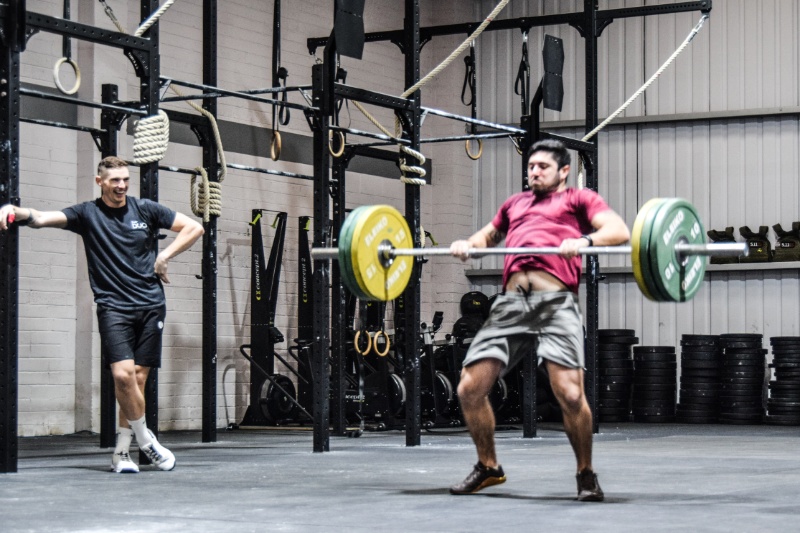
If you play GAA in Dublin and want more than just “gym for the sake of gym,” a structured but varied strength approach like Bua’s can give you a real edge. It won’t replace skills, tactics, or game intelligence—but it will help you show up to every ball fitter, stronger, and more resilient across a long season.
Join an incredible community
Free Trial
Undecided? Come and have a free trial at any of the Bua gyms to check out the facilities and experience what it's like to be part of the Bua community.
Schedule A Drop-In
We accept drop-ins from athletes at all Bua gyms and in all classes. We would love for you to come and experience what its like to be part of the Bua community.