
Bua Blog
Strength Training Dublin: Your Complete Guide to Getting Stronger (and Staying That Way)
Strength Training Dublin: Your Complete Guide to Getting Stronger (and Staying That Way)
Strength Training Dublin: Your Complete Guide to Getting Stronger (and Staying That Way)
Most people who start strength training in Dublin don’t quit because it’s too hard. They quit because nobody showed them how to make it work.
That’s a fixable problem.
Whether you’ve never touched a barbell or you’ve been training on and off for years, this guide covers what you actually need to know — how to train, what to prioritise, and how to build something that lasts. At Bua Collective, we’ve worked with hundreds of people across Dublin who came in with the same questions you probably have. This is what we’ve learned.
Why Strength Training Is Worth Taking Seriously
Let’s skip the watered-down version and say it plainly: strength training is one of the most valuable things you can do for your health, your body, and your day-to-day quality of life.
Not just for athletes. For everyone.
Research published by the American College of Sports Medicine consistently shows that regular resistance training improves muscle mass, bone density, metabolic health, and even cognitive function. These aren’t small marginal gains. They’re meaningful, measurable changes that compound over time.
And here’s the thing people don’t talk about enough — getting stronger makes everything else easier. Carrying shopping. Playing with your kids. Recovering from injury. Feeling good in your own body. Strength is the foundation underneath all of it.
For anyone doing gym workouts in Ireland and wondering where to start, the answer is almost always: start with the basics, done consistently.
The Problem With Most Approaches to Strength Training in Dublin
Dublin has no shortage of gyms. But walking into a big commercial gym with rows of machines and no direction is a fast track to spinning your wheels for months without meaningful progress.
Here’s what goes wrong most often:
- No structure. Random workouts don’t build on each other. You need a programme that has a logic to it.
- No accountability. It’s easy to skip sessions when nobody’s expecting you.
- No progression. Doing the same weights for the same reps every week isn’t training — it’s maintenance at best.
- No coaching. Most people have never been properly taught how to lift. That’s not a criticism. It’s just true, and it limits everything downstream.
At Bua, we built our whole approach around solving exactly these problems. Our training programmes are structured in blocks — each one designed with a clear objective, a logical progression, and enough variance to keep you adapting without losing focus.
How to Structure Your Strength Training: The Basics That Actually Matter
1. Train with a purpose, not just a plan
There’s a difference between following a programme and training with intention. A good strength training programme tells you what to do. Good coaching helps you understand why — and that understanding is what lets you adapt when life gets in the way.
At Bua, every training block has a clear objective. Sometimes that’s building raw strength. Sometimes it’s improving work capacity or targeting a specific quality. The point is you always know what you’re working toward.
2. Progressive overload is the mechanism
This is non-negotiable. If you’re not progressively challenging your muscles over time — more weight, more reps, more volume, or more density — you’re not building strength. You’re just exercising.
Progressive overload doesn’t mean adding weight every single session. It means your training is consistently pushing your capacity forward in some measurable way. Track your sessions. Notice the trend.
3. Frequency matters more than duration
Three solid 45-minute sessions per week will outperform one two-hour session every time. Consistency is the variable that most people underestimate, and it’s the one that actually drives long-term results.
If you’re new to resistance training in Dublin, two to three sessions a week is a genuinely strong starting point. Build from there.
4. Recovery is part of the training
Sleep, nutrition, and stress management aren’t soft extras. They’re the conditions under which your training actually works. If you’re lifting hard but sleeping badly, eating poorly, or running on empty — you’re leaving most of your results on the table.
This is something we talk about openly at Bua. The work you do in the gym is only as effective as how well you recover from it.
Strength Training Tips From Bua’s Coaches
Our coaching team has worked across a wide range of people — from complete beginners to competitive athletes. Here are the principles that show up consistently in that work.
Master the movement before you load it. A heavy squat with bad mechanics is just a shortcut to injury. Learn the pattern first. Add weight once it feels solid.
Relative intensity matters more than absolute numbers. The weight on the bar is less important than how hard you’re working relative to your current capacity. A 60kg squat at a high effort for a beginner is a completely different training stimulus than the same weight for a seasoned lifter. Train your level.
Consistency beats optimisation. You don’t need the perfect programme. You need a good programme that you actually follow. Most people would see better results from doing something straightforward really consistently than chasing the latest training trend.
Community keeps you showing up. This one’s underrated. Training with people who are working toward similar goals — and who’ll notice when you’re not there — is one of the most reliable drivers of long-term adherence. It’s a core reason why Bua is built around group training. Check out our community page to see how it works in practice.
Common Strength Training Mistakes (And How to Avoid Them)
Even experienced people fall into these traps. Here’s what to watch for.
Skipping the warm-up. Not a light jog on a treadmill — an actual movement prep that primes the patterns you’re about to train. Five to ten minutes of targeted warm-up makes a real difference to both performance and injury risk.
Training ego, not adaptation. Going too heavy too soon is one of the most common blockers to progress. It compromises form, increases injury risk, and creates the illusion of effort without the reality of productive training.
Neglecting the lower body. Particularly common in men who prefer pressing movements. Leg training is uncomfortable. It’s also non-negotiable if you want real strength.
Treating every session like a test. Not every session needs to be a personal best. Some sessions are about building a base. Some are about recovery volume. Some are just about showing up on a hard day. Learning to train with that nuance is a sign of a mature approach.
For more on how to keep training engaging and effective, our post on how to build muscle without being bored is worth a read.
What to Look for in a Strength Training Gym in Dublin
If you’re choosing where to train, here’s what actually matters.
Coaching quality. Not just having coaches present — having coaches who watch, correct, and communicate. A coach who doesn’t intervene isn’t really coaching.
Programme structure. Look for somewhere that can explain the logic of what they’re programming and why. If the answer is vague, the programming probably is too.
The environment. You’ll train better — and more consistently — in an environment where you feel comfortable. That means different things to different people. For a lot of members at Bua, the group setting and the community around it is a big part of what keeps them coming back.
Results over time. Ask how people progress. Are members getting stronger month over month? Are they sticking around? Retention is one of the most honest signals of whether a gym is actually delivering.
Strength Training and the Bigger Picture
Getting stronger is worth doing for its own sake. But most people who commit to it describe something that goes further than physical results.
There’s something about the process — setting a target, working toward it, hitting it, and setting another — that builds a kind of confidence that carries into everything else. Not because the gym is magic, but because repeated evidence of your own capability adds up.
That’s part of what we’re building at Bua. Not just fitter members, but people who trust themselves more. People who know what they’re capable of because they’ve proven it, repeatedly, under load.
If you want to explore what that looks like in practice, our Buacast podcast covers a lot of this ground — performance, mindset, training, and the things that connect them.
FAQ: Strength Training Dublin
What is the best way to start strength training in Dublin? Find a gym or programme with proper coaching, a clear structure, and a community that keeps you accountable. Start with two to three sessions per week, focus on learning the fundamental movement patterns, and build from there. Progress is built over months and years, not weeks.
How often should I strength train as a beginner? Two to three sessions per week is ideal for most beginners. This gives your body enough stimulus to adapt while allowing adequate recovery between sessions. Consistency over time matters far more than frequency in the short term.
Is group strength training effective? Yes, and often more so than solo training for many people. The structure, coaching, and social accountability that comes with group training significantly improves consistency — and consistency is the biggest driver of results.
How long does it take to see results from strength training? Most people notice meaningful strength gains within four to eight weeks of consistent training. Visible changes in muscle size typically take longer — three to six months with proper programming and nutrition. The timeline depends heavily on training quality, recovery, and consistency.
Do I need to use heavy weights to build strength? Not necessarily, especially at the start. What matters most is progressive overload — consistently challenging your muscles over time. For many people early in their training, bodyweight movements and moderate loads done with good technique are highly effective. Load is just one of many variables.
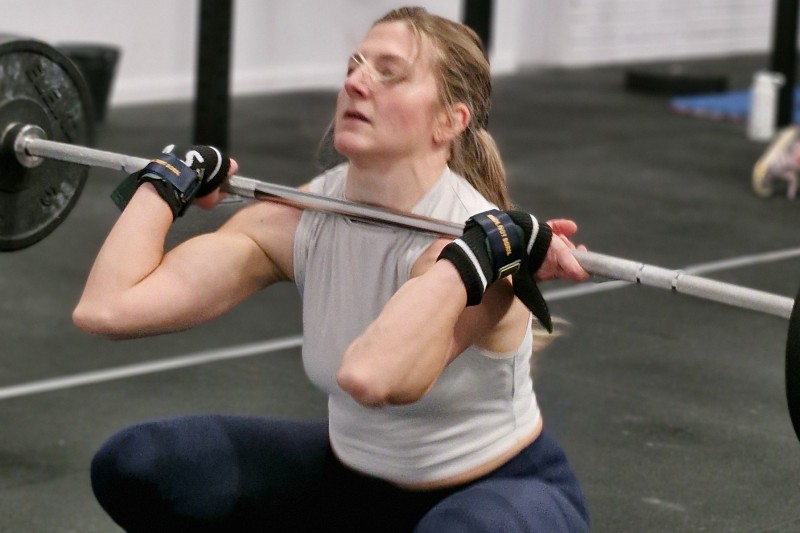
Ready to Build Real Strength in Dublin?
If you’ve been thinking about getting started — or getting serious — Bua Collective is a straightforward next step.
We’re a group training gym in Dublin built around real coaching, structured programming, and a community of people who show up and do the work. Our sessions are coached, our programmes are designed to drive progress, and the environment is one where people actually want to be.
Explore what Bua offers and come train with us
Join an incredible community
Free Trial
Undecided? Come and have a free trial at any of the Bua gyms to check out the facilities and experience what it's like to be part of the Bua community.
Schedule A Drop-In
We accept drop-ins from athletes at all Bua gyms and in all classes. We would love for you to come and experience what its like to be part of the Bua community.